

The Tombs of Buganda Kings at Kasubi are one of Uganda’s most important cultural landmarks. Located on Kasubi Hill in Kampala, this UNESCO World Heritage Site preserves the royal burial grounds of the Buganda Kingdom and remains a living spiritual centre for the Baganda people.
Recognised internationally for both cultural and architectural value, the site reflects centuries of tradition, belief, and craftsmanship. Moreover, it continues to play an active role in the cultural life of Buganda today.
A Sacred Royal Burial Ground in Kampala: Buganda Kings at Kasubi
Tombs of Buganda Kings at Kasubi cover approximately 26.8 hectares of hillside within Kampala City. Although much of the land is still cultivated using traditional methods, the heart of the site lies at the hilltop.
Here stands the former palace of the Kabakas of Buganda, originally built in 1882. Shortly after, in 1884, it was converted into a royal burial ground. As a result, the site became the final resting place of four Buganda kings and an enduring symbol of royal authority.
Muzibu Azaala Mpanga: A Masterpiece of Ganda Architecture
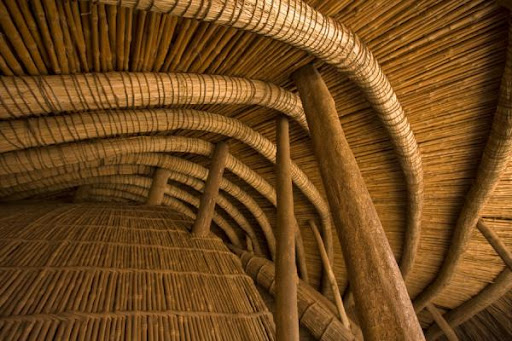
At the centre of the Kasubi Tombs is the main tomb building known locally as Muzibu Azaala Mpanga. This large circular structure, crowned by a domed thatched roof, is an outstanding example of traditional Ganda architecture.
Notably, the building was constructed entirely from organic materials such as wood, reeds, spear grass, and wattle. Despite its natural materials, the structure achieved remarkable scale and durability. Consequently, UNESCO recognises it as a masterpiece of human creativity and craftsmanship.
Spiritual and Cultural Importance of the Kasubi Tombs
Beyond architecture, the Tombs of Buganda Kings at Kasubi hold deep spiritual meaning. The site is the most active religious place in the Buganda Kingdom. Rituals, ceremonies, and cultural practices are still regularly performed.
For the royal family, the tombs serve as a sacred place where the Kabaka and his representatives communicate with the spiritual world. Therefore, the site represents continuity, identity, and living tradition rather than a static historical monument.
UNESCO World Heritage Status and Criteria
The Kasubi Tombs were inscribed on the UNESCO World Heritage List in 2001 under criteria (i), (iii), (iv), and (vi). These criteria recognise the site as:
- A masterpiece of human creative genius
- An exceptional witness to living cultural traditions
- The best surviving example of a Buganda palace and burial ensemble
- A place of outstanding spiritual and symbolic significance
Although a fire in 2010 destroyed the main tomb building, traditional knowledge and skills remain strong. Consequently, careful restoration has allowed the site to retain its authenticity and cultural integrity.
Protection, Management, and Restoration Efforts
The Kasubi Tombs are protected under Ugandan law and managed by the Buganda Kingdom. Additionally, national heritage legislation and tourism policies safeguard the site from encroachment and inappropriate development.
Fire remains the greatest risk. For this reason, ongoing disaster risk management, documentation, and training of young artisans are essential. Importantly, restoration efforts follow strict guidelines agreed upon by UNESCO, the Buganda Kingdom, and the Government of Uganda.
Visiting the Tombs of Buganda Kings at Kasubi
For visitors arriving through Entebbe International Airport, the Kasubi Tombs are easily accessible by road in Kampala. A guided visit offers valuable insight into Buganda history, traditional architecture, and living cultural practices.
Before visiting, travellers should dress modestly and respect cultural guidelines, especially during ceremonies. Photography rules may also apply in certain areas.
Frequently Asked Questions about Buganda Kings at Kasubi
Where are the Kasubi Tombs located?
They are located on Kasubi Hill in Kampala City, Uganda.
Why are the Kasubi Tombs important?
They are the royal burial grounds of Buganda kings and a major spiritual centre for the Baganda people.
Are the Kasubi Tombs still active today?
Yes. Cultural rituals and religious practices are still regularly performed.
Can tourists visit the Kasubi Tombs?
Yes, visitors are welcome, provided they respect cultural norms and site regulations.
Conclusion
The Tombs of Buganda Kings at Kasubi stand as one of Uganda’s most powerful cultural symbols. Combining architecture, spirituality, and living tradition, the site offers visitors a rare opportunity to experience heritage that is both ancient and active.
For travellers interested in Uganda’s history and culture, a visit to Kasubi is both meaningful and memorable. With proper planning and respectful travel, the experience adds depth to any journey through Kampala.